
Trinidad and Tobago, a vibrant twin-island nation in the Caribbean, has a rich history and cultural heritage that is deeply intertwined with its colonial past. As the country prepares to celebrate its independence on August 31, 2025, significant changes to its Coat of Arms have sparked discussions about national identity and representation. The recent decision to replace the three ships symbolizing Christopher Columbus’ vessels with a steepen reflects a broader movement toward recognizing and honoring the indigenous and diverse cultural narratives that shape Trinidad and Tobago today.

Historically, the Coat of Arms of Trinidad and Tobago has included three ships, which were meant to commemorate the arrival of Columbus in 1498. While this imagery has been a part of the national identity for many years, it has also been a point of contention. The legacy of Columbus is fraught with the consequences of colonization, including the displacement and suffering of indigenous peoples. As Trinidad and Tobago continues to evolve as a nation, there is an increasing recognition of the need to re-evaluate symbols that may not resonate with all citizens.
The decision to change the Coat of Arms was influenced by various factors, including a growing awareness of the importance of inclusivity and representation in national symbols. The Office of the Prime Minister, alongside cultural institutions such as the National Library and Information System Authority (NALIS) and the University of the West Indies, has played a pivotal role in facilitating this transition. Many institutions and citizens have emphasized the need for symbols that reflect the true essence of Trinidad and Tobago’s diverse heritage, which includes African, Indian, Indigenous, and European influences.
The steepen, as a new symbol on the Coat of Arms, represents the natural beauty and cultural richness of Trinidad and Tobago. This change not only acknowledges the islands’ pre-colonial history but also celebrates the resilience and contributions of citizens to the world as we know it. The steelpan, Steel drum as is sometimes called originated in Trinidad and Tobago in the 1930s. This is the only acoustic instruments invented in the 20th century; an accomplishment worth celebrating. By replacing the ships with a steepen, the government aims to foster a sense of unity and pride among all citizens, encouraging a collective identity that honors the past while looking forward to a more inclusive future.
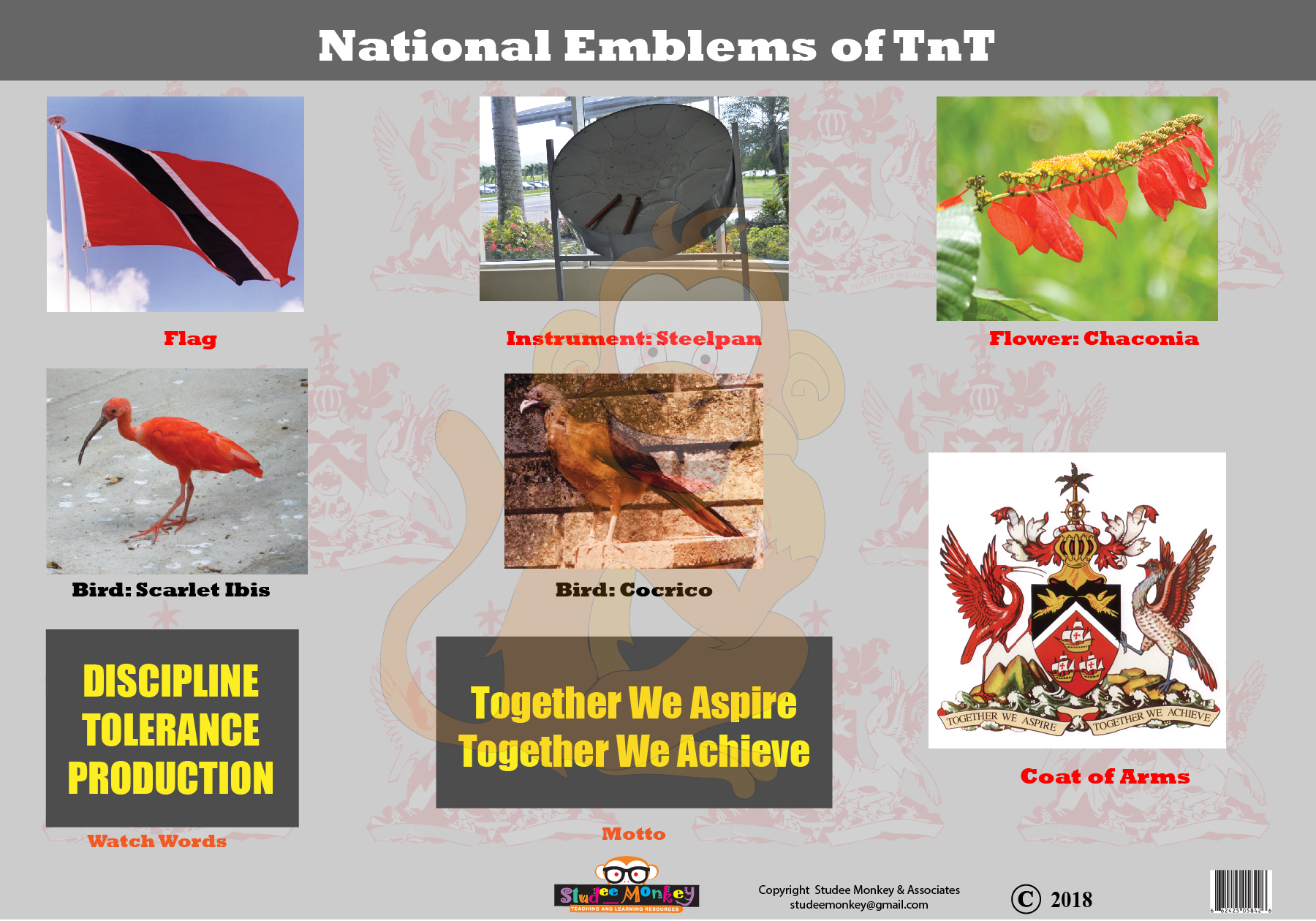
Moreover, this change aligns with global trends where nations are re-examining their symbols and narratives in light of historical injustices. Countries around the world are increasingly recognizing the importance of decolonizing their public imagery and narratives, which often perpetuate colonial legacies. Trinidad and Tobago’s decision to alter its Coat of Arms is a step toward embracing a more authentic representation of its history and culture.
The discussions surrounding the change have also highlighted the role of education in shaping national identity. Institutions like the University of the West Indies have been at the forefront of promoting critical discourse on history, identity, and representation. By engaging students and the broader community in these conversations, there is an opportunity to foster a deeper understanding of the complexities of Trinidad and Tobago’s past and present.
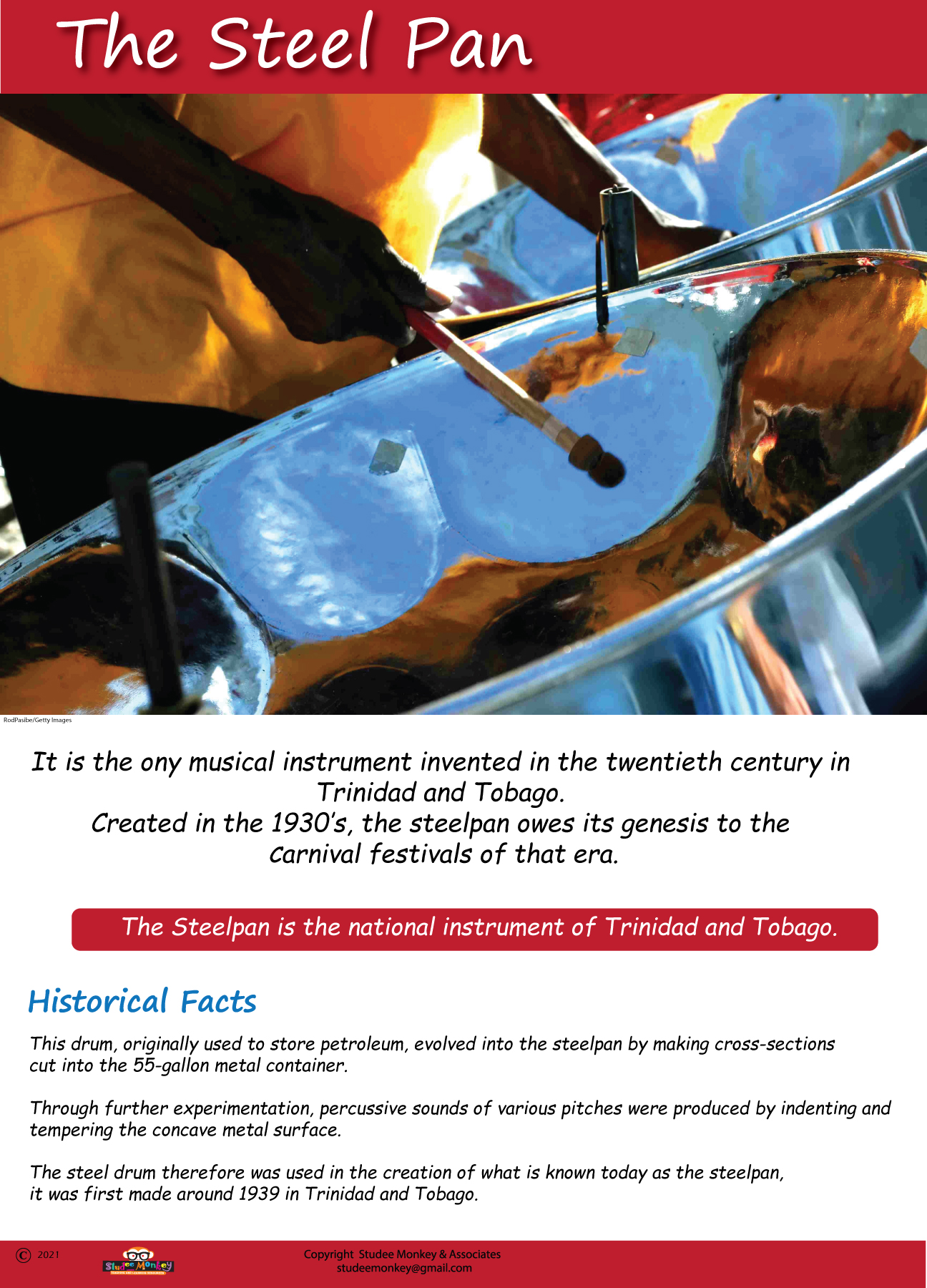
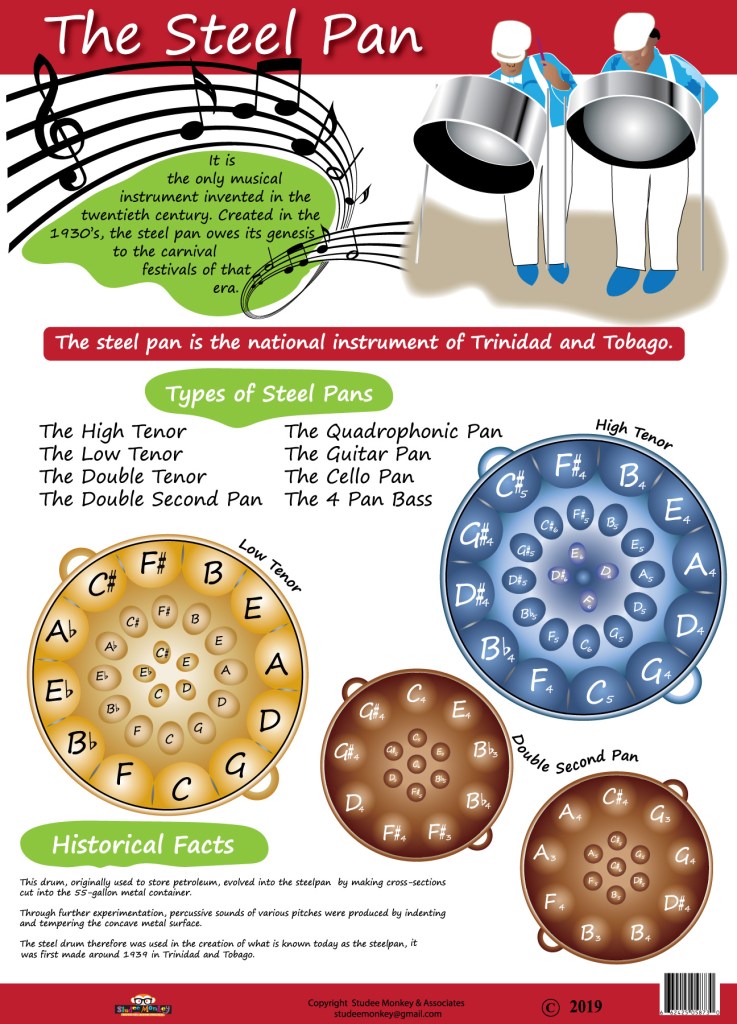
In conclusion, the decision to change the Coat of Arms of Trinidad and Tobago by replacing the three ships with a steepen is a significant step toward redefining the nation’s identity. It reflects a commitment to inclusivity, recognition of indigenous heritage, and a desire to move beyond colonial narratives. As Trinidad and Tobago celebrates its independence, this change serves as a reminder of the importance of embracing a diverse and multifaceted national identity that honors all of its citizens. The collaboration between government, educational institutions, and cultural organizations will be vital in ensuring that this new symbol resonates with the people and contributes to a shared sense of pride in the nation’s rich heritage. Share your thoughts with us on the impact of this change on our future.


![The Presidents of the Republic of Trinidad and Tobago, (2023 - 2028) -🇹🇹 [Chart, Teaching Aid, Poster] Size: 25](https://studeemonkey.com/wp-content/uploads/2023/01/Presidents-Chart-2023-100x100.jpg?crop=1)
![The Prime Ministers of Trinidad and Tobago - [Chart, Teaching Aid, Poster] 🇹🇹 Size: 25](https://studeemonkey.com/wp-content/uploads/2023/01/img_6564-100x100.jpeg?crop=1)